
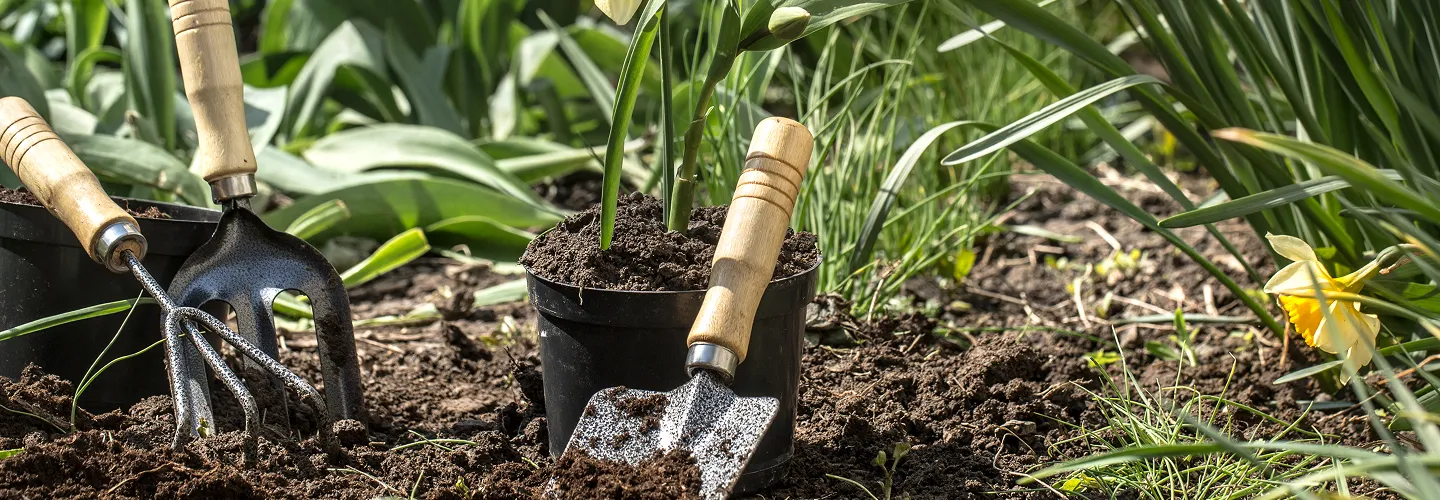
San Leon Lawn Leveling Services
Choose our expert lawn leveling services for a smoother, healthier yard that enhances curb appeal and makes maintenance a breeze—trusted by San Leon homeowners for reliable results.
Get a Free QuoteOur San Leon Landscaping & Yard Care Services
When to Schedule Lawn Leveling in San Leon, Texas – Seasonal Guide
In San Leon, Texas, the best time to schedule lawn leveling is typically during late spring or early fall, when temperatures are moderate and the soil retains optimal moisture. The region’s subtropical climate, with its humid summers and mild winters, means that working around the last frost date—usually in early March—and avoiding the peak summer heat is crucial for successful results. Neighborhoods near Bayshore Park and along 23rd Street often experience unique microclimates due to proximity to Galveston Bay, which can influence soil drainage and humidity levels.
Local environmental factors such as clay-heavy soils, common in areas around San Leon Elementary, and the risk of summer droughts should be considered when planning your project. Shade coverage from mature oaks in the Oakwood subdivision or municipal watering restrictions can also impact the timing and effectiveness of lawn leveling. For more information on local regulations and best practices, consult the official town resources.
Local Factors to Consider for Lawn Leveling in San Leon
- Tree density and shade coverage (especially in older neighborhoods)
- Soil type and drainage, particularly in low-lying or bay-adjacent areas
- Seasonal precipitation patterns and drought risk
- Municipal watering restrictions and local ordinances
- Terrain slope and proximity to landmarks like Bayshore Park
Benefits of Lawn Leveling in San Leon

Enhanced Curb Appeal
Improved Lawn Health
Safer Outdoor Spaces
Efficient Water Drainage
Increased Property Value
Professional Landscaping Expertise

San Leon Lawn Leveling Types

Topdressing Lawn Leveling
-
Sand Leveling
-
Soil Amendment Leveling
-
Laser Grading
-
Sod Replacement Leveling
-
Power Raking Leveling
-
Manual Lawn Leveling
Our Lawn Leveling Process
Site Evaluation
Soil Preparation
Leveling Application
Compaction
Final Inspection
Why Choose San Leon Landscape Services
-
San Leon Homeowners Trust Us
-
Expert Lawn Maintenance
-
Reliable Scheduling
-
Competitive Pricing
-
Professional Team
-
Satisfaction Guarantee
-
Personalized Service
Soil Series and Drainage Challenges for Lawn Leveling in San Leon
San Leon’s coastal setting presents unique soil management challenges for lawn leveling projects. The area is dominated by Lake Charles clay and League soils, which are characterized by high clay content, poor drainage, and a tendency for seasonal waterlogging. These soils typically have a pH range of 7.0-8.0 and can become compacted, requiring core aeration to a depth of 2-3 inches before leveling. It is essential to avoid leveling during periods of saturated soil, as compaction and rutting are more likely. Soil testing is recommended through the Texas A&M AgriLife Extension for accurate amendment recommendations. Key steps include:
- Soil test for pH and nutrient status (cost: $15-25)
- Apply 2-3 inches of compost, tilled to 6-inch depth
- Schedule work after heavy rains subside, typically late spring or early fall
Galveston County Road and Bridge Department
722 Moody Avenue, Galveston, TX 77550
Phone: (409) 740-2655
Official Website: Galveston County Road and Bridge Department
Stormwater Compliance and Buffer Requirements for San Leon Lawn Leveling
Lawn leveling in San Leon must comply with local and state stormwater regulations to protect Galveston Bay and adjacent wetlands. Under the Texas Water Code, property owners are required to maintain a 25-foot no-disturbance buffer from all mapped wetlands and drainage ditches. The Texas Commission on Environmental Quality (TCEQ) enforces MS4 permit requirements, which prohibit soil, debris, or grass clippings from entering storm drains. Best practices include:
- Install silt fences or wattles along property edges during leveling
- Collect and properly dispose of excess soil and sod
- Avoid fertilizer or soil amendments within 50 feet of water bodies
- Schedule work during dry weather to minimize runoff risk
Galveston County Environmental Health Services
9850 Emmett F. Lowry Expressway, Texas City, TX 77591
Phone: (409) 938-7221
Official Website: Galveston County Environmental Health Services
Equipment Operation Hours and Safety Standards for Lawn Leveling in San Leon
San Leon enforces specific noise and equipment operation standards to minimize community disruption during lawn leveling. According to local ordinances, powered equipment may be operated:
- Monday-Friday: 7:00 AM - 7:00 PM
- Saturday: 8:00 AM - 6:00 PM
- Sunday and holidays: Prohibited Operators must use commercial-grade leveling equipment with functioning mufflers, and noise levels should not exceed 85 decibels at the property line. All personnel are required to wear ANSI Z87.1 safety glasses, hearing protection for equipment over 85 dB, and steel-toed boots. When working near public roads, advance warning signs must be placed 500 feet from the work zone. For projects near utility lines, contact the San Leon Municipal Utility District for guidance.
San Leon Municipal Utility District
443 24th Street, San Leon, TX 77539
Phone: (281) 339-2688
Official Website: San Leon Municipal Utility District
Seasonal Timing and Weather Considerations for Lawn Leveling in San Leon
San Leon’s USDA Hardiness Zone 9a climate, with mild winters and hot, humid summers, dictates optimal timing for lawn leveling. The best periods are late March to early May and late September to mid-November, when soil temperatures range from 60°F to 75°F and rainfall is moderate. Avoid leveling during June-August due to high heat and potential drought stress, and during winter when soils may be saturated. Monitor local forecasts through the National Weather Service Houston/Galveston Office to avoid scheduling work before heavy rain events. Timing recommendations:
- Spring window: March 20 - May 10
- Fall window: September 20 - November 15
- Avoid work within 48 hours of forecasted rainfall exceeding 1 inch
- Allow 2-3 weeks for turf recovery post-leveling
What Neighborhoods Do We Serve Throughout San Leon, TX?
- Bay Shore Acres: Features compacted clay soils and frequent drainage issues due to proximity to Galveston Bay, requiring careful grading and runoff management during lawn leveling.
- San Leon Townsite: Older lots with mature trees and mixed fill soils; root systems and variable soil depths necessitate customized leveling approaches and hand grading in sensitive areas.
- Edwards Landing: Newer development with larger lots and improved drainage, but occasional low-lying areas prone to standing water after storms, making soil amendment and slope correction essential.
- Dickinson Bayou Area: Properties adjacent to wetlands and tidal creeks must observe strict 25-foot buffer zones and comply with MS4 stormwater regulations to protect sensitive habitats.
- Oakwood Addition: Dense residential area with narrow access and overhead utilities, requiring compact equipment and adherence to noise ordinances during leveling operations.
- Shoreacres: Coastal exposure leads to salt spray and periodic flooding, demanding salt-tolerant turf species and frequent soil pH monitoring as part of the leveling process.
State and Federal Environmental Oversight for Lawn Leveling in San Leon
Lawn leveling activities in San Leon are subject to oversight by both state and federal agencies. The Texas Commission on Environmental Quality (TCEQ) administers MS4 stormwater permits and enforces the Texas Water Code, which governs runoff and buffer requirements. At the federal level, the Clean Water Act prohibits discharge of pollutants into navigable waters, including sediment from lawn projects. For technical guidance on soil management and compliance, consult the USDA Web Soil Survey and EPA Region 6. Soil testing and best management practices are further supported by the Texas A&M AgriLife Extension.
Texas Commission on Environmental Quality
12100 Park 35 Circle, Austin, TX 78753
Phone: (512) 239-1000
Official Website: Texas Commission on Environmental Quality