
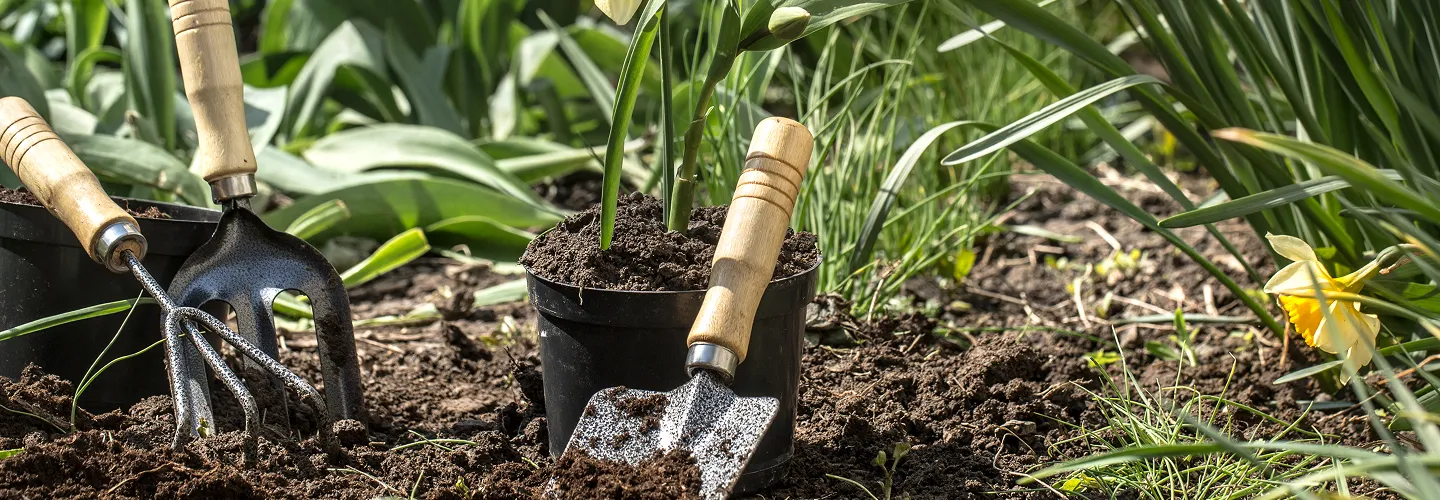
San Leon Flower Planting Services
Choose our Flower Planting services for expert design, healthy plants, and vibrant color that lasts all season—making your garden the envy of the neighborhood.
Get a Free QuoteOur San Leon Landscaping & Yard Care Services
When to Schedule Flower Planting in San Leon, Texas – Seasonal Guide
In San Leon, Texas, the best times for flower planting are typically early spring and late fall, when temperatures are moderate and rainfall is more predictable. The region’s proximity to Galveston Bay means humidity levels can be high, and the risk of late spring frosts is minimal—making March through early May ideal for most annuals and perennials. Neighborhoods near Bayshore Drive and the San Leon Marina often experience slightly cooler breezes, which can extend the planting window compared to more inland areas.
Local soil tends to be sandy with good drainage, but areas closer to Dickinson Bayou may have heavier, clay-rich soils that retain moisture. It’s important to consider shade from mature oaks in the Oakwood subdivision or the salt spray near 6th Street when selecting flower varieties. For more detailed local planting guidelines, consult resources like the Sudbury town website, which offers helpful landscaping tips.
Local Factors to Consider for Flower Planting in San Leon
- Tree density and shade coverage, especially in established neighborhoods
- Soil type variations between sandy coastal and clay-rich inland areas
- Average precipitation and risk of drought during summer months
- Proximity to saltwater and exposure to salt spray
- Municipal watering restrictions and seasonal ordinances
- Terrain slope and drainage, particularly near bayous or low-lying lots
Benefits of Flower Planting in San Leon
Expert Landscaping Knowledge
Customized Plant Selection
Enhanced Curb Appeal
Seasonal Color Variety
Low-Maintenance Solutions
Eco-Friendly Practices
San Leon Flower Planting Types

Perennial Flower Beds
-
Annual Flower Displays
-
Native Wildflower Gardens
-
Pollinator-Friendly Plantings
-
Seasonal Color Rotations
-
Shade Garden Plantings
-
Drought-Tolerant Flower Beds
Our Flower Planting Process
Site Evaluation
Soil Preparation
Plant Selection
Careful Planting
Watering and Mulching
Why Choose San Leon Landscape Services
-
San Leon Homeowners Trust Us
-
Expert Lawn Maintenance
-
Reliable Scheduling
-
Competitive Pricing
-
Professional Team
-
Satisfaction Guarantee
-
Personalized Service
Soil Series and Drainage Considerations for Flower Planting in San Leon
San Leon’s coastal location in Galveston County means flower planting projects must account for the area’s predominant soil types, including the League and Surfside sandy loams and the Clodine clay series, as identified by the USDA Web Soil Survey. These soils are typically moderately to poorly drained, with pH levels ranging from 6.5 to 8.0, and may exhibit seasonal high water tables within 12-24 inches of the surface. For optimal flower establishment, incorporate 2-3 inches of compost tilled to a 6-inch depth and consider raised beds in areas with persistent drainage issues. Soil testing is recommended through Texas A&M AgriLife Extension (typical cost: $15-25 per sample) to determine amendment needs. Avoid planting in low-lying areas prone to flooding or within 25 feet of mapped wetlands to comply with local buffer requirements.
Galveston County Environmental Health Services
9850 Emmett F. Lowry Expressway, Texas City, TX 77591
Phone: (409) 938-7221
Official Website: Galveston County Environmental Health Services
Seasonal Timing and Weather Guidance for Flower Planting in San Leon
San Leon is located in USDA Hardiness Zone 9a, with average annual minimum temperatures of 20-25°F. The optimal window for planting most annual and perennial flowers is February 15 to April 15 for spring installations, and September 15 to October 31 for fall plantings. Soil temperatures should be above 55°F for successful root establishment. Monitor local forecasts through the National Weather Service Houston/Galveston Office to avoid planting immediately before heavy rainfall events, which can cause root rot in poorly drained soils. For best results:
- Spring planting: February 15 – April 15 (soil temp >55°F)
- Fall planting: September 15 – October 31
- Avoid planting during June-August due to heat stress
- Water new plantings 1 inch per week, adjusting for rainfall
Native and Salt-Tolerant Flower Species Selection for San Leon’s Coastal Environment
Given San Leon’s proximity to Galveston Bay and exposure to salt spray, flower selection should prioritize salt-tolerant and native species. Recommended options include:
- Black-eyed Susan (Rudbeckia hirta)
- Gulf Coast penstemon (Penstemon tenuis)
- Gaillardia (Gaillardia pulchella)
- Seaside goldenrod (Solidago sempervirens)
- Daylily (Hemerocallis spp.)
- Coral bean (Erythrina herbacea) Plant spacing should be 12-18 inches for annuals and 18-24 inches for perennials to ensure adequate airflow and reduce disease risk. Mulch flower beds with 2-3 inches of pine bark or shredded hardwood to conserve moisture and suppress weeds. For additional guidance on species selection and planting techniques, consult Texas A&M AgriLife Extension.
Municipal Coordination and Compliance for Flower Planting Projects in San Leon
All flower planting activities in San Leon must comply with local ordinances regarding right-of-way, drainage, and protected areas. Planting within public easements or near drainage ditches requires coordination with the county’s road and bridge department. Equipment operation for landscape installation is permitted:
- Monday-Friday: 7:00 AM – 7:00 PM
- Saturday: 8:00 AM – 6:00 PM
- Sunday and holidays: Prohibited Debris from planting (soil, plant material, packaging) must be disposed of through approved municipal waste programs; plastic bags are prohibited for yard waste. For projects near mapped floodplains, review the Galveston County Floodplain Development Guidelines for permit requirements and buffer distances.
Galveston County Road and Bridge Department
722 Moody Avenue, Galveston, TX 77550
Phone: (409) 740-2655
Official Website: Galveston County Road and Bridge Department
Environmental Compliance: Stormwater, Buffer Zones, and State Regulations
Flower planting in San Leon must adhere to stormwater management requirements under the Texas Water Code and the Clean Water Act. The Texas Commission on Environmental Quality (TCEQ) enforces MS4 permit provisions, which prohibit the discharge of soil, mulch, or plant debris into storm drains. Maintain a 25-foot no-disturbance buffer from wetlands and a 50-foot setback from open water bodies. Fertilizer and pesticide applications must not occur within 50 feet of water features. For additional regulatory guidance, consult EPA Region 6 and TCEQ.
Texas Commission on Environmental Quality
12100 Park 35 Circle, Austin, TX 78753
Phone: (512) 239-1000
Official Website: Texas Commission on Environmental Quality
What Neighborhoods Do We Serve Throughout San Leon, TX?
- Bay Shore Acres: Features sandy loam soils with moderate drainage and frequent salt spray exposure, requiring salt-tolerant flower species and raised beds for optimal results.
- San Leon Peninsula: Characterized by proximity to Galveston Bay, high water tables, and periodic flooding; flower planting here must account for drainage improvements and compliance with floodplain buffer requirements.
- Edwards Landing: Contains compacted soils from historic development and smaller lot sizes, necessitating soil amendment and careful plant spacing to prevent overcrowding.
- Oakwood: Noted for mature tree canopy and partial shade, making it suitable for shade-tolerant perennials and requiring regular leaf litter management in flower beds.
- Dickinson Bayou Area: Located near sensitive wetlands and tidal creeks, this area requires strict adherence to 25-foot wetland buffers and use of native, non-invasive species to protect local ecosystems.
- San Leon Park District: Public spaces with heavy foot traffic and municipal oversight; flower planting projects must coordinate with county departments for scheduling and maintenance standards.